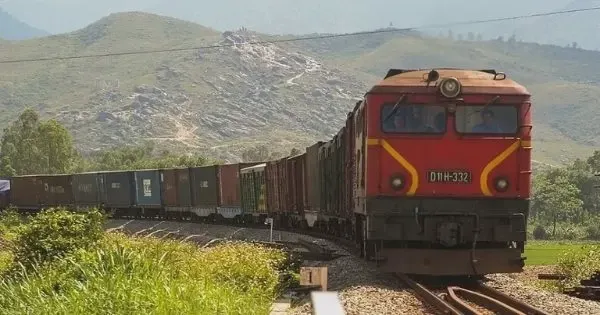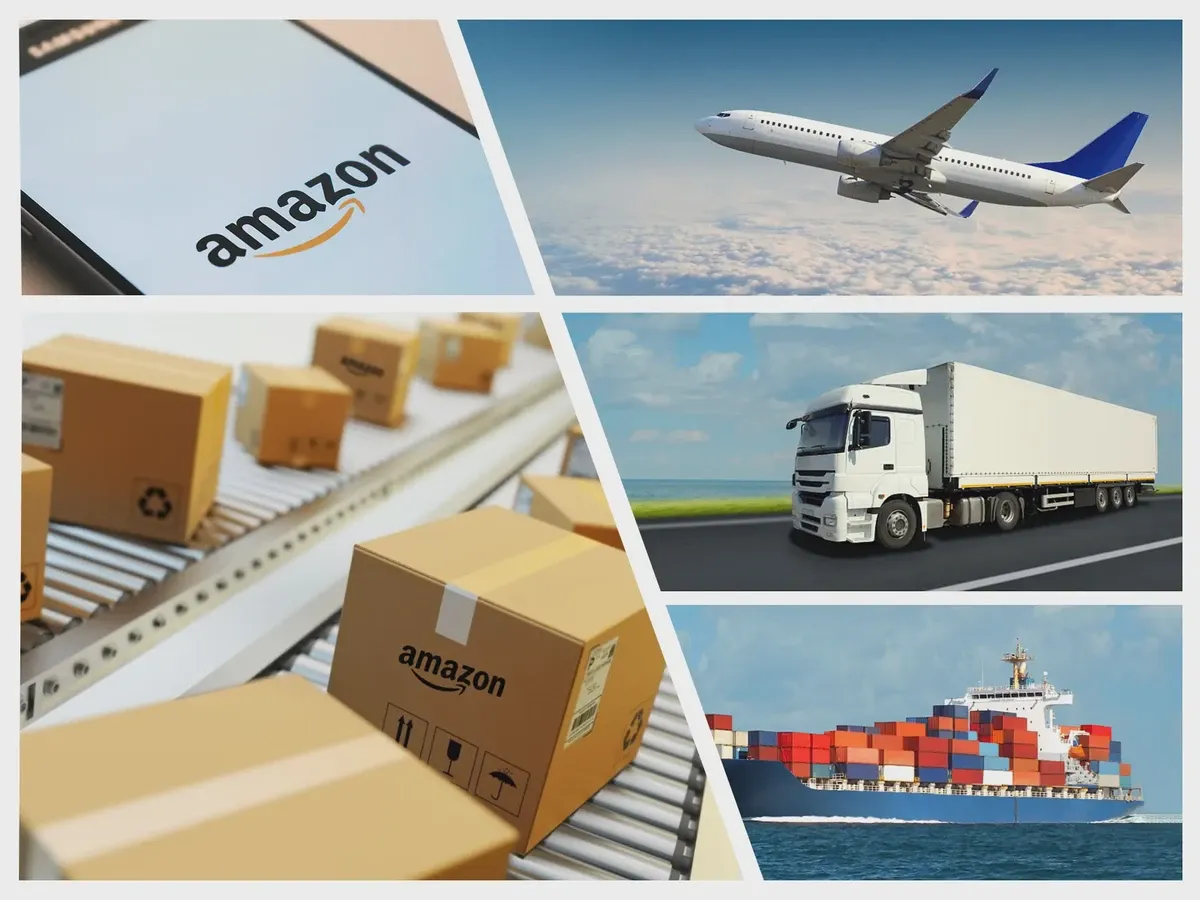


If you buy goods from Vietnamese manufacturers, you have probably seen the term DDP on more than a few quotations. DDP — Delivered Duty Paid — is the Incoterm where the seller (or, in practice, their freight forwarder) takes responsibility for everything: pickup at the factory, export customs clearance in Vietnam, ocean or air freight, import customs clearance in your country, duties and taxes, and final delivery to your door. For many importers, it sounds almost too good to be true. And in some cases, it is.
This guide explains exactly how DDP shipping from Vietnam works, what it really costs, where the risks hide, and how to decide whether DDP, FOB, or CIF makes the most sense for your business in 2026.
What DDP Shipping from Vietnam Actually Covers
Under Incoterms 2020, DDP places the maximum obligation on the seller. When a Vietnamese supplier quotes you a DDP price to your warehouse in Los Angeles, Hamburg, or Sydney, that single number is supposed to include:
| Stage | Who Pays Under DDP | Typical Cost Component |
|---|---|---|
| Pickup & trucking from factory (Ho Chi Minh, Hanoi, Binh Duong, etc.) | Seller | Domestic Vietnamese trucking |
| Export customs declaration & documentation in Vietnam | Seller | Export clearance fees, paperwork |
| Origin charges (CFS, THC, seal, VGM) | Seller | Port handling fees |
| Main freight (ocean FCL/LCL or air) | Seller | Ocean/air freight rate |
| Destination charges (DTHC, unloading) | Seller | Port fees at arrival |
| Import customs clearance in your country | Seller | Customs brokerage |
| Import duties, VAT/GST, excise | Seller | Based on HS code & declared value |
| Final delivery to your address | Seller | Inland trucking at destination |
In practice, few Vietnamese factories handle all of this themselves. Most subcontract a freight forwarder with a DDP-capable network — one that has licensed partners at destination who can clear customs and pay duties on the buyer's behalf. That is why the quality of the forwarder behind the quote matters far more than the headline price.
If you want a broader refresher on where DDP sits among the 11 Incoterms, our Incoterms 2020 explained guide breaks down every term with Vietnam-specific examples.
Why Importers Love DDP from Vietnam
The appeal is obvious: one price, one contact, zero customs paperwork on your side. For the buyer, DDP removes the most complicated and error-prone part of international trade — import clearance and duty payment. You agree on a landed price, wire the money, and receive goods at your door.
This matters even more in 2026 because of three trends:
- De minimis and duty changes in key markets. The United States ended the de minimis exemption for Chinese-origin goods in 2025 and has signaled tighter scrutiny of low-value shipments generally. Many importers sourcing from Vietnam as a China-plus-one origin face questions about duty treatment they are not equipped to answer. A DDP shipper with an experienced U.S. customs partner absorbs that complexity.
- GST/VAT collection by marketplaces. The EU, UK, Australia, and Canada have all expanded VAT collection obligations for imported goods. Under DDP, the seller's partner handles these remittances so your goods are not stuck at a bonded warehouse awaiting payment.
- E-commerce speed expectations. If you are an Amazon seller or Shopify brand, your cash flow and inventory planning depend on predictable landed costs. DDP quotes give you a number you can plug directly into your margin calculator.
For sellers building a supply chain from scratch, our step-by-step guide on how to import from Vietnam covers supplier sourcing and payment terms that pair well with a DDP arrangement.
The Real Cost of DDP from Vietnam: A Breakdown
A DDP quote is essentially FOB cost + freight + insurance + destination charges + duties + taxes + delivery + forwarder's margin. Here is what that looks like for a realistic 2026 scenario — a 20ft container of furniture from Ho Chi Minh City to Los Angeles:
| Cost Component | Typical Range (USD) | Notes |
|---|---|---|
| Factory pickup + export clearance (Vietnam) | $150–$350 | Higher from northern factories |
| Origin port charges (THC, docs, seal) | $250–$450 | Cat Lai vs. Cai Mep pricing |
| Ocean freight 20ft HC (HCMC → LA) | $1,800–$3,200 | Market-dependent, volatile |
| Marine insurance (110% CIF) | $80–$150 | Often included in DDP quote |
| U.S. destination charges | $600–$1,000 | THC, ISF, customs bond |
| U.S. import duty (furniture, ~6–8% + MPF) | $2,000–$3,500 | Depends on HS code & value |
| ISF filing, customs broker | $100–$200 | Mandatory for U.S. imports |
| Final delivery LA metro | $300–$700 | Varies by distance |
| Realistic DDP total | $5,300–$9,500 | vs. FOB VN price ~$1,500–$2,500 |
For LCL shipments and air freight, the same logic applies at smaller scale. A DDP air shipment of 300 kg of apparel from Hanoi to London might run $4.50–$7.00/kg all-in, versus a bare air freight rate of $2.80–$4.50/kg.
The key insight: DDP is never the cheapest shipping method — you are paying a premium for risk transfer and convenience. Whether that premium is worth it depends on your volume, customs expertise, and cash flow.
DDP vs FOB vs CIF: Which Should You Choose?
| Factor | DDP | CIF | FOB |
|---|---|---|---|
| Seller responsibility | Maximum (to your door) | To destination port | To loading on vessel |
| You handle import clearance | No | Yes | Yes |
| You pay duties/taxes | No (baked in) | Yes | Yes |
| Price transparency | Low (single number) | Medium | High |
| Control over forwarder | None | Low | Full |
| Risk of hidden fees | Medium (undervaluation risk) | Medium (destination charges) | Low |
| Best for | Beginners, e-commerce, small volume | Buyers with partial customs experience | Experienced importers, large volume |
Choose FOB if you ship full containers regularly and have a customs broker at destination — it is almost always cheaper per unit.
Choose CIF only as a stepping stone; many importers regret it because destination charges under CIF are unpredictable and the buyer still owns import clearance.
Choose DDP when you are starting out, shipping LCL or small parcels, selling on marketplaces that demand landed-cost clarity, or simply want your Vietnamese supplier to handle the entire chain while you focus on sales.
For a shipment-level cost comparison on the U.S. lane, see our shipping cost from Vietnam to USA breakdown; for sea transit expectations, check sea freight from Vietnam to USA.
The Risks of DDP — and How to Avoid Them
DDP is convenient, but it carries risks that experienced importers watch closely:
1. Undervaluation by the DDP agent
Some unscrupulous DDP providers clear your goods at artificially low declared values to reduce duty. If customs audits you years later (statutes of limitation run 3–5 years in many countries), you as the importer of record can be liable for back duties and penalties — even though you never saw the entry documents. Mitigation: ask for a copy of the customs entry and commercial invoice with every shipment, and confirm the declared value matches what you paid.
2. IOR complications
In markets like the U.S., EU, and Australia, someone must act as Importer of Record. If your DDP partner uses a "foreign IOR" service or their own entity, you lose control of compliance records. Make sure the arrangement is documented and your goods are legally cleared under a legitimate importer.
3. No control over routing
Under DDP you cannot choose the carrier, the transshipment port, or the sailing schedule. If the DDP forwarder prioritizes cheap over fast, your goods may sit in transshipment for weeks. Ask for the routing and estimated transit time in writing before confirming.
4. Insurance gaps
If the DDP quote does not explicitly include cargo insurance (ICC-A or better), damage claims become a nightmare with three parties blaming each other. Confirm insurance coverage and claims procedure up front.
5. Compliance with product rules
Products like electronics (UL/FCC), children's items (CPSIA), food-contact goods, and textiles may need destination certifications. A DDP forwarder who does not flag these can get your cargo seized. Provide complete product information, including HS code candidates, in your initial inquiry.
Step-by-Step: How a DDP Shipment from Vietnam Works
- Request a DDP quote with exact pickup address, destination address, cargo details (product name, HS code if known, weight, dimensions, value), and incoterm confirmation.
- Receive a single landed quote valid for a defined period (typically 7–14 days given freight volatility).
- Confirm booking; the forwarder arranges pickup from the Vietnamese factory on an agreed date.
- Export clearance — the forwarder files the Vietnamese customs declaration and obtains the bill of lading or airway bill.
- Main carriage — ocean or air to the destination port/airport.
- Import clearance — the destination partner files the import entry, pays duties and taxes, and provides you with proof of clearance.
- Final delivery to your warehouse, Amazon FBA fulfillment center, or business address. For FBA-bound cargo, follow our Amazon FBA shipping from Vietnam guide to ensure labeling and appointment compliance.
A well-run DDP shipment from Ho Chi Minh City to the U.S. West Coast typically takes 18–25 days door to door by sea, or 5–8 days by air including clearance. To northern Europe, plan 28–38 days door to door by sea.
FAQ: DDP Shipping from Vietnam
Is DDP shipping from Vietnam legal? Yes. DDP is a standard Incoterm 2020 rule. What matters is that the seller's forwarder clears customs compliantly at destination — with correct declaration values and a legitimate Importer of Record.
Can I get DDP shipping from Vietnam to the USA, UK, EU, and Australia? Yes — these are the most common DDP lanes from Vietnam. Australia, the UK, and the EU are generally straightforward. The U.S. requires ISF filing and a customs bond, which a competent DDP provider handles as part of the service.
How is DDP different from DAP or DDU? DDU (Delivered Duty Unpaid) is obsolete under Incoterms 2020. DAP (Delivered at Place) means the seller delivers to your door but you pay import duties and taxes. DDP includes duties — that is the crucial difference for your landed cost.
Will my supplier's DDP price be inflated? Usually by 5–15% over the true landed cost, reflecting the forwarder's risk premium and financing of duties. For small shipments this premium is often worth it; for full container loads, negotiating FOB and managing freight yourself typically saves money.
Can VNForwarder handle DDP shipments from Vietnam? Yes. VNForwarder arranges DDP door-to-door shipping from Vietnam to major markets including the USA, Canada, EU, UK, Australia, and the Middle East, with transparent quotes, 2–4 hour rapid pricing, 24/7 customer support with a dedicated account manager, and a local Vietnamese network spanning Ho Chi Minh City, Hanoi, Da Nang, and Binh Duong industrial zones. Contact us at / for a free DDP quote on your next shipment.
The Bottom Line
DDP shipping from Vietnam trades cost transparency and control for simplicity and risk transfer. It is the right choice for newer importers, e-commerce sellers, and anyone shipping small-to-medium volumes who wants a single predictable landed price. As your volumes grow, graduate toward FOB with your own forwarder and customs broker — and use your DDP experience to know exactly what questions to ask.